
Compare electric foot file head grades by asking the supplier to define each named grade for the exact offered model. Link the definition to an identified head and sample reference. Keep material wording separate from grade wording, and leave any unprovided abrasive designation or performance requirement open for clarification.
Begin with the named heads in the actual offer
The ZC-F168-1 Foot Grinder listing mentions coarse, medium and fine grinding heads. Its grinding-head material field says White Corundum. These are supplier catalogue descriptions. They provide a starting point for a grade enquiry, while leaving the buyer to clarify the exact head reference and meaning of each designation for the offered version.
For a wholesale electric foot file comparison, retain those words with their source. Ask the supplier to identify the head associated with each grade name. Do not convert a general word such as medium into an unprovided numerical abrasive designation, a measured result or a particular use recommendation.
Keep grade terminology separate from material terminology
A head material description and a head grade description answer different purchasing questions. Record which identified component the material statement concerns, then ask how the supplier defines its grade designation. A material name alone does not establish whether the head should be treated as coarse, medium or fine for the actual offer.
Likewise, a grade label does not establish the complete construction or composition of a head. Where a specific material or abrasive characteristic matters to the purchase, state the requirement and request the relevant supplier information. Retain the scope of that response instead of treating an appearance photograph as a material certificate or a grade measurement.
Ask for a defined grade-reference record
The following fields help a buyer compare supplier responses without inventing specifications. Use a separate record for each grade being considered and keep it tied to the ZC-F168-1 offer. Any numerical designation should come from an identified supplier reference, with its meaning explained.
Grade-record field | Question to resolve | Evidence to retain
Model association | Which offered ZC-F168-1 version does the head belong to? | Exact offer and supplier model reference
Grade name | Which coarse, medium or fine description applies? | Supplier wording tied to one identified head
Head identity | How is that particular head identified? | Item reference and relevant labelled view
Designation basis | Does the supplier provide another grade designation or definition? | The stated basis and its reference, without inferred numbers
Material scope | What does the material wording describe for that head? | Component-specific supplier statement
Sample reference | Which received head represents the proposed grade? | Sample identity and accompanying grade information
Change status | Has the proposed grade or head reference changed? | Earlier and revised references with the buyer response
Compare definitions rather than matching familiar words
When two offers both use the word fine, retain the definition supplied for each offer. Ask whether the descriptions refer to the same stated basis before treating them as equivalent. A familiar label is useful for an enquiry, but it should not replace the head identity and the information needed for the buyer requirement.
If the supplier provides a numerical designation, keep the accompanying explanation and reference. Do not assign a number by looking at the pictured surface or by borrowing a value from another product. The comparison should show which details are provided, which are still questions and which head each response concerns.
Identify samples without assigning grades from appearance
Ask the supplier to identify each sample head using the same reference as the offer. Retain any accompanying grade description with that sample. Keep appearance photographs as identification aids, while leaving an unlabelled or unclear grade open for clarification.
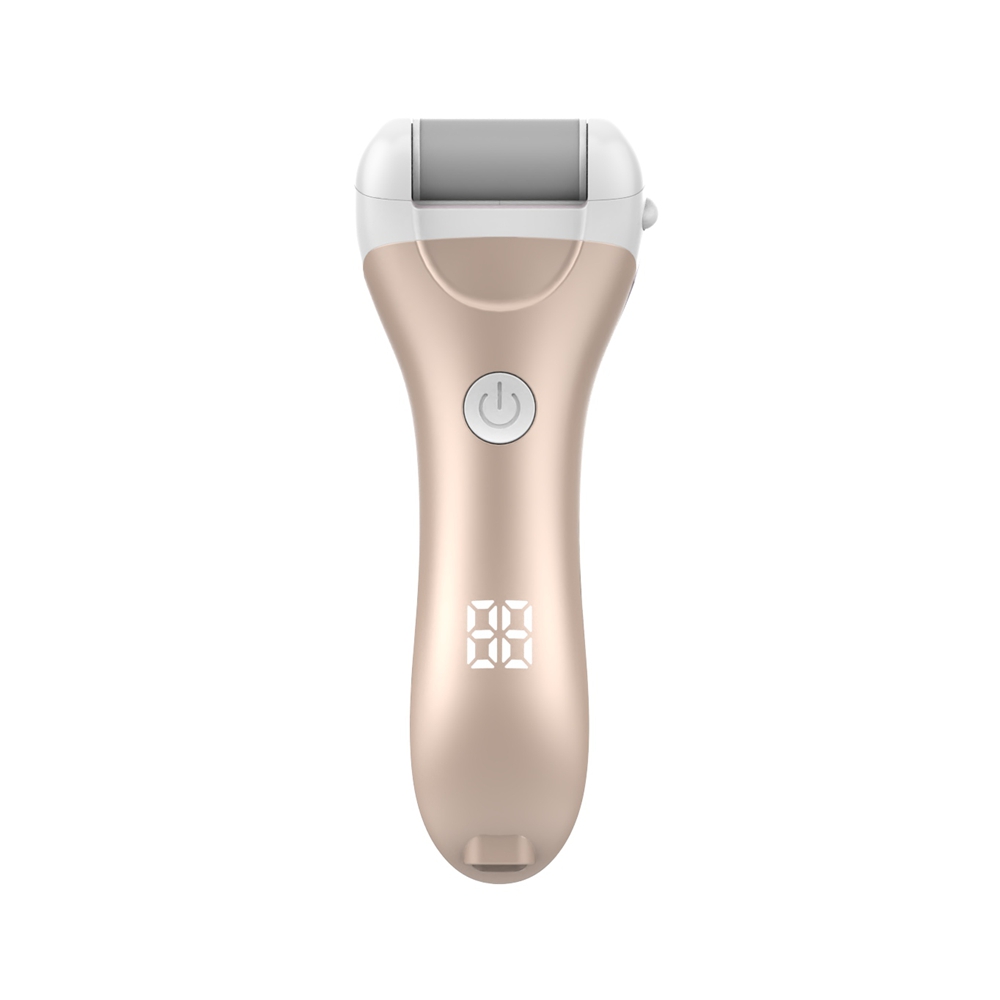
The three images here are views of the catalogue main unit. They do not show three independently identified grade samples. A different view, visible texture or grey-looking surface does not establish a grade. Request relevant supplier references for the actual heads being considered rather than assigning the coarse, medium and fine names to these pictures.
Keep the selection requirement explicit
State which defined grade or grades the buyer is considering for the actual commercial offer. Ask the supplier to identify the corresponding head references. Any required evaluation needs a suitable reference and an agreed scope for the proposed product; this purchasing record does not prescribe treatment, operating pressure or a personal-care routine.
If the supplier discusses an alternative head, retain it as a proposed change until its identity and grade description are clear. A similar outline does not establish interchangeability. Request the model association for the exact proposed item, and keep the response separate from an earlier accepted sample reference.
Carry the accepted grade references into the order
Retain the selected head identities and supplier definitions with the quotation and sample record. Ask the supplier to clarify which of those references belong to the proposed supply. The listing names different head descriptions, but it does not by itself establish the exact assortment or quantities accepted for a particular order.
Record later changes against the accepted reference. A revised material description, renamed grade or replacement head should remain visible to the buyer. Price, order quantity and delivery arrangements still require a response for the defined offer; this grade record establishes no performance, certification, runtime or commercial guarantee.
• Tie every grade label to an identified head and offered model.
• Keep material wording and grade definitions in separate fields.
• Retain supplier references instead of inventing numerical grades.
• Preserve sample identities and later grade changes together.
Frequently asked questions
Does coarse or fine establish a numerical abrasive grade?
Ask the supplier to explain its designation for the identified head. Do not assign an unprovided number from the label alone.
Do these three catalogue views represent three grades?
They are appearance references for the main unit. They do not identify three separate grade samples or confirm an ordered assortment.
Does the White Corundum field settle the grade question?
The material wording and grade description need separate clarification for the identified head. One field does not complete the other.
Can a renamed grade be treated as the accepted sample?
Request the changed head reference and definition. Retain the earlier sample identity until the buyer has reviewed the proposed change.
Send the selected model and grade-reference questions through XIZS Appliances contact. Review actual offers in the product catalogue and other purchasing topics in the article archive.
Product and contact references
https://xizsappliances.com/product/zc-f168-1-foot-grinder/
https://xizsappliances.com/contact/
https://xizsappliances.com/products/
https://xizsappliances.com/blog/