
Grooming Tool RFQs: Keep Model Lines Separate
Keep each grooming tool on its own enquiry line, using the exact model and a stable buyer reference. Link its quoted supply unit, sample and included items to that line. Carry the same reference into the accepted packing record so a carton description cannot blur the identity or contents of different products.
Use the two actual offers as separate starting points
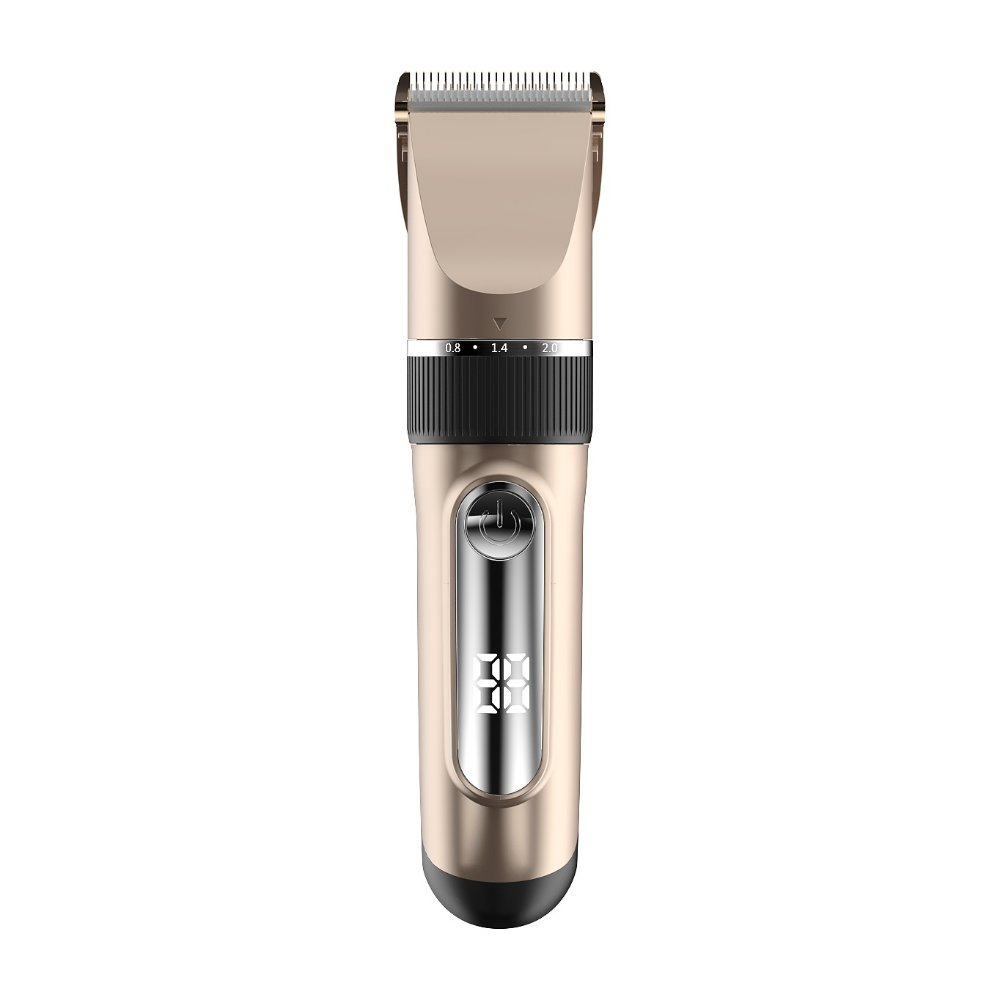
The DDG-S01 Electric Hair Clippers listing and the ZC-F028 Nose Hair Trimmer listing describe different products. A buyer can refer to both in one enquiry while keeping one clearly identified row for each offer. The shared enquiry does not turn them into one supplied kit.
An enquiry for a wholesale hair clipper and a wholesale nose hair trimmer needs distinct model references throughout the response. Ask the supplier to quote each line against the relevant product reference. Keep a general catalogue or email heading separate from the fields that identify the actual items being considered.
Give every response a model line to belong to
Assign a stable buyer line reference to each model and retain it when forwarding questions or comparing revisions. Put the supplier model and product URL beside that reference. A response such as standard kit or approved sample needs a named line; otherwise the buyer cannot tell which product the response covers.
Keep the enquiry lines open independently. A completed response for the DDG-S01 does not settle an unanswered question about the ZC-F028. Record the status of each line so the supplier and buyer can distinguish an identified offer from a version, sample or supply-content question that still needs clarification.
Make a cross-reference table for the enquiry
Use the following structure to carry product identity from quotation to packing records. The table defines fields to request, rather than supplying unconfirmed quantities or packaging specifications. Each supplier response should refer to the same model line as the question it answers.
| Enquiry field | Line-specific question | Connection to retain
| Buyer line and model | DDG-S01 hair clipper or ZC-F028 nose trimmer, each on its own row | Retain that line reference beside the selected offer
| Quoted supply unit | What physical unit does the line price cover? | Use the confirmed unit when recording order quantities
| Included items | Which accessories or other contents belong to this line? | Link the accepted contents list to the same model
| Sample reference | Which received sample supports this offer? | Keep its identity and review status on this line
| Packing reference | Which proposed packing record covers the line? | Retain the accepted packing revision and scope
| Carton mark association | Which label or carton reference identifies these contents? | Map the mark to the relevant model lines and confirmed contents
Keep accessories and product descriptions attached to their line
The DDG-S01 listing mentions guide combs, while the ZC-F028 listing identifies a nose trimmer. An accessory answer for one device should stay with its own offer. Similar-looking parts or a shared supplier name do not establish that an attachment belongs to both devices or can be exchanged between them.
The same discipline applies to product wording. Keep the supplier description of each model beside that model reference. Avoid moving an indicator description, adjustment statement or other parameter into the neighbouring row simply because both products are grooming tools. Request clarification when a response uses an unspecified family name instead of the selected model.
Define the quoted unit before building the order
Ask what the supplier means by each quoted unit. The answer may need to distinguish the main device, a defined set of included items and any separately quoted accessories. Record the response for the actual offer rather than assuming that the same set wording has the same contents on both product lines.
Carry that definition into the order quantity and the agreed contents record. If the buyer requests extras, list their association with the relevant model and obtain the supplier response. Do not infer an accepted pack count, accessory quantity or sales-unit definition from these main-unit catalogue pictures.
Connect each sample to the correct offer
Identify received samples by model line before comparing the supplier responses. Keep the sample reference, accompanying information and relevant photographs with the corresponding offer. A sample photograph that has lost its model association cannot resolve a question for either line reliably.
Record acceptance and unresolved points separately for each model. If a supplier proposes a replacement version, retain the original reference and identify the affected line. A review of one device does not approve an unspecified substitution for the other, even when both appear in the same enquiry or order document.
Map the packing proposal without inventing carton contents
Ask the supplier to connect the proposed packing record to the accepted model lines. The record should make clear which confirmed contents belong to which reference. Where a carton mark or label is proposed, retain its association with those contents instead of using a general grooming tools description as the only identifier.
If a shared outer carton is proposed, ask for an explicit map from that carton reference to the included model lines and their confirmed contents. This is a request to clarify the proposed arrangement, not a statement that mixed packing is available or agreed. If the models are packed separately, retain separate mark associations in the accepted record.
Keep the accepted packing revision beside the order and sample references. A later change in model, included items or packing arrangement requires an identified update. Commercial terms and delivery arrangements remain subject to a supplier response for the defined offers; this cross-reference record creates no quantity, compatibility or performance commitment.
Retain one model line for each actual product offer.
Keep the supply unit and included items with that line.
Identify samples and substitutions by the affected model.
Connect carton marks to confirmed contents and packing revisions.
Frequently asked questions
Can both products appear in the same RFQ?
They can be identified in one enquiry while retaining separate model lines. Request a supplier response for each actual offer and its supply unit.
Does a shared supplier establish accessory compatibility?
No compatibility is established by the shared enquiry or supplier name. Keep each accessory response tied to the exact device and offered version.
Do these images establish a combined supplied kit?
The images identify the two main-unit references. They do not show or confirm a shared kit, included accessory counts or carton contents.
Can one carton mark cover both model lines?
Ask the supplier to define the proposed mark and its contents association. Retain an explicit line-to-carton map if a shared arrangement is proposed and accepted.
Send the two product references and model-line questions through XIZS Appliances contact. Review other actual offers in the product catalogue and distinct purchasing topics in the article archive.#Grooming Tools#Model Lines#Mixed SKU Enquiries#Packing Records#Purchase References
Product and contact references:
https://xizsappliances.com/product/ddg-s01-electric-hair-clippers/
https://xizsappliances.com/product/zc-f028-digital-display-nose-hair-trimmer/
https://xizsappliances.com/contact/
https://xizsappliances.com/products/
https://xizsappliances.com/blog/