
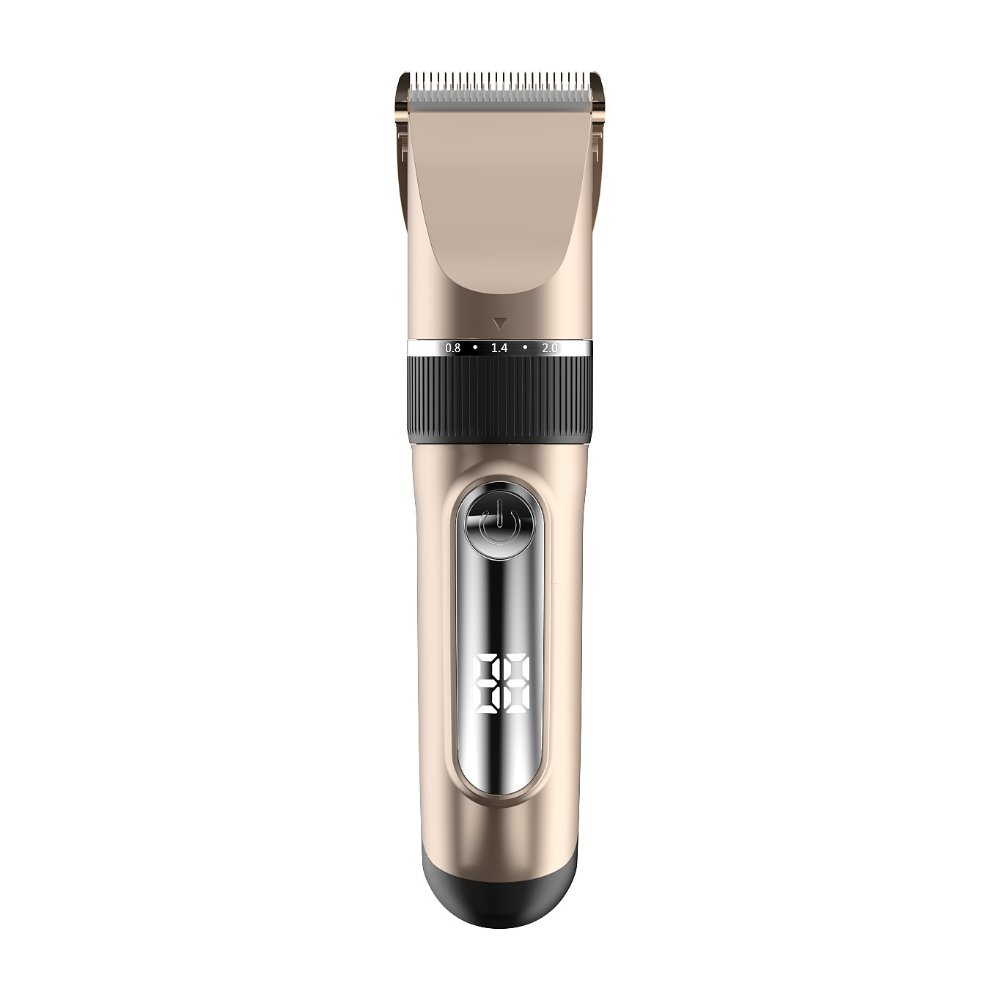
Define a hair clipper blade version by linking the offered model to an identified assembly, a component-specific supplier description and an accepted sample reference. Ask which part each material term describes. Retain the clarified version with the quotation so a general blade-material label cannot stand in for the actual supplied configuration.
Read the actual blade-material field carefully
The DDG-S01 Electric Hair Clippers listing presents Stainless Iron/Zirconium Oxide in its blade-material field. That wording gives the buyer a specific clarification question. It does not identify which term belongs to which component, whether the wording describes options, or which exact assembly is included in the quoted version.
For a wholesale hair clipper enquiry, keep that field with its source and ask the supplier to explain its scope for the selected offer. Record the response against the model reference. A slash-separated description should remain an open question until the supplier has identified the configuration it is offering.
Separate the assembly reference from the material wording
Start by asking the supplier to name the blade assembly supplied with the exact DDG-S01 offer. Retain an assembly or part reference when one is available. If the supplier uses several component names, ask it to connect those names to a labelled reference rather than treating them as interchangeable descriptions of the whole head.
A material description and an assembly identity answer different purchasing questions. The material wording needs a named component and stated scope. The assembly identity needs a connection to the quoted main-unit version. Neither can be completed reliably by copying a description from a similar clipper or interpreting a metallic-looking surface in a photograph.
Use a component map for the supplier response
The following fields make the clarification concrete without assuming a particular internal construction. Ask the supplier to complete the record for the actual offered assembly. Keep missing information visible rather than supplying a material, grade or component arrangement that the listing has not established.
Record field | Question to resolve | Evidence to retain
Offered main unit | Which DDG-S01 version is being quoted? | Product URL, supplier reference and offer revision
Assembly identity | Which blade assembly belongs to that offer? | Supplier assembly reference or identified description
Component identity | Which named part does each statement concern? | A labelled reference linked to the response
Material wording | What does the listed material wording mean for that part? | Exact supplier description and its stated scope
Sample association | Which received sample supports the configuration? | Sample identifier and relevant views
Replacement scope | Is any separate blade or assembly being requested? | A separate item reference and supplier response
Accepted revision | Which clarified configuration has the buyer selected? | Accepted reference retained with the quotation
Request relevant evidence without inventing a test result
Ask for a reference that identifies the supplied configuration clearly. Depending on the supplier response, this may involve labelled photographs or a version-specific document. Keep the document identity and the assembly reference together so an explanation for another product family does not become part of the DDG-S01 record by mistake.
Where a particular material property matters to the purchase, state the requirement separately and ask what evidence the supplier can provide for that exact component. The catalogue field alone does not establish a grade, treatment, composition result or performance test. A purchasing record should show the scope of the evidence actually received.
Keep sample identity attached to the configuration
Identify the received sample before comparing its appearance with the selected reference. Retain its accompanying model information and record the relevant visible features. A clear front or angled photograph can help associate a sample with a supplier reference, while leaving internal materials and unobserved details as separate questions.
If the supplier refers to fixed or moving parts, ask it to identify the parts it means for the actual assembly. Do not assign material terms to those roles without a response. Any review of dimensions, fitting or function needs a suitable supplier reference and agreed scope; this article does not provide replacement or operating instructions.
Treat a replacement request as its own item
A request for spare blades needs an identified item and its association with the selected main-unit version. Ask whether the supplier is discussing the assembly included with the clipper or a separately offered replacement. Retain those responses separately so an optional item does not silently become part of the original supply expectation.
A similar outline or finish does not establish interchangeability. Ask the supplier to identify the exact proposed replacement and the applicable version reference. If the proposed item differs from the accepted assembly, record the change for review rather than treating a familiar material name as sufficient approval.
Carry the clarified version into the order
Retain the accepted component map with the quotation and sample record. If the supplier later proposes a different assembly or changes its material description, request an identified revision. Keep the earlier reference so the buyer can see which configuration was accepted and which one is being proposed.
Commercial terms still need a response for the defined offer. This component record establishes no price, order quantity, delivery commitment or blade performance. Its purpose is to make the supplied configuration traceable, allowing the buyer to compare like references and leave unresolved requirements visible.
• Keep the assembly identity and material wording in separate fields.
• Ask which actual component every description concerns.
• Link the received sample to the selected configuration.
• Retain accepted and proposed replacement versions separately.
Frequently asked questions
Does the slash in the material field prove two options?
Ask the supplier what the wording means for the exact offer. It does not by itself establish available options or assign materials to particular components.
Can the catalogue picture verify the blade material?
The picture is an appearance reference. Obtain a component-specific supplier description and any required supporting evidence separately.
Does a similar blade outline establish replacement fit?
Appearance alone does not establish interchangeability. Request the proposed item identity and its association with the selected main-unit version.
What should be retained after clarification?
Keep the accepted assembly reference, component descriptions, sample identity and quotation revision together. Record later changes against that reference.
Send the selected model and component questions through XIZS Appliances contact. Review actual offers in the product catalogue and other purchasing topics in the article archive.
Product and contact references
https://xizsappliances.com/product/ddg-s01-electric-hair-clippers/
https://xizsappliances.com/contact/
https://xizsappliances.com/products/
https://xizsappliances.com/blog/