
ZC-D28-1 Dial RFQs: Map the Marked Settings
What should a hair-clipper dial specification include? Request a supplier-confirmed map of the marked positions, what each position represents, the units used and the comb or device version to which it applies. Link that map to an identified sample. A numbered dial in a catalogue photograph does not by itself establish an adjustment range, cutting length or result on hair.
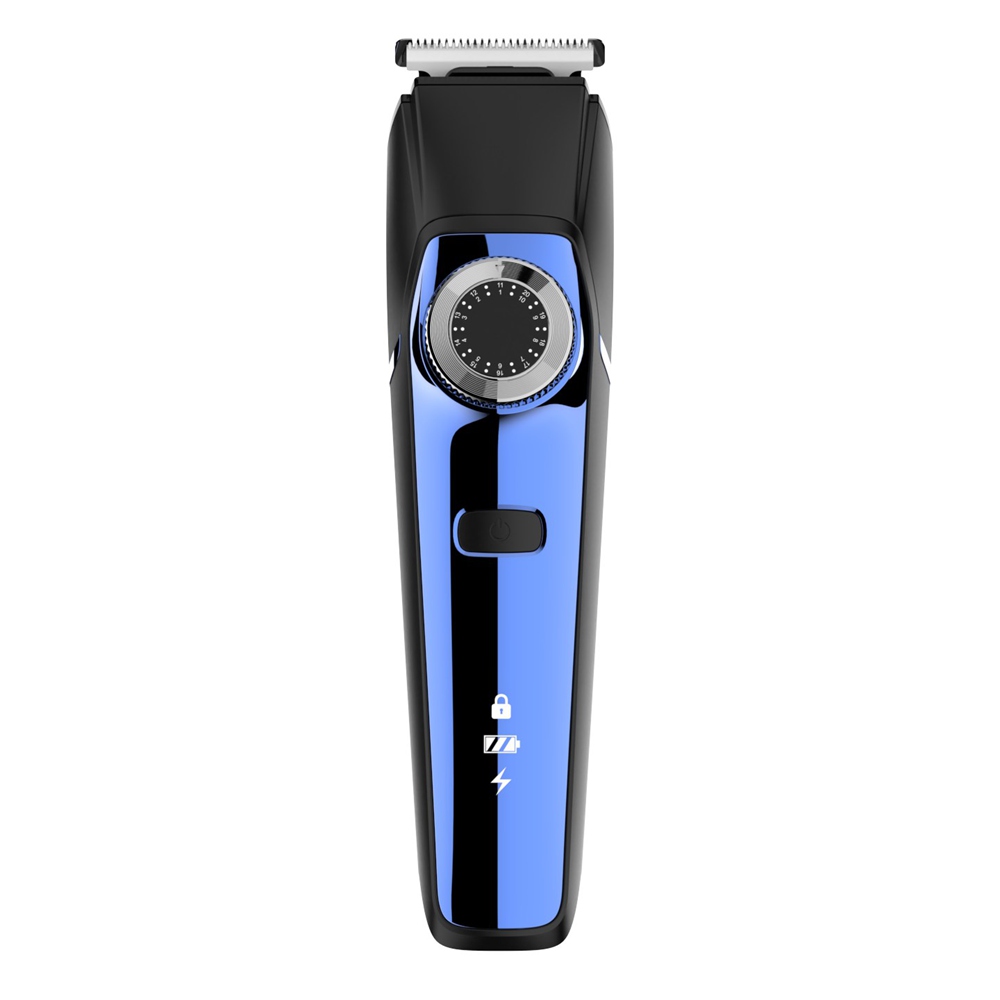
Official front product reference showing the circular marked dial. Ask the supplier to identify its scale and the offered setting map; no numerical cutting result is inferred from the image.
Identify the proposed dial-equipped version
Xizs Appliances lists ZC-D28-1 Electric Hair Clippers and describes knob-type adjustable limit-comb height. Its gallery includes a blue-and-black unit with a marked circular dial, alongside an accessory-base arrangement and another grooming-unit reference. These sources help locate the proposal, but the buyer still needs the supplier to identify the actual version being offered.
For a wholesale hair clipper enquiry, request the supplier item reference and a complete view of the proposed dial-equipped unit. Keep any alternative unit or attachment clearly identified. Sharing a gallery page does not establish that every pictured item has the same control, scale or supplied configuration.
This purchasing task defines the meaning and applicability of the marked settings. It is separate from counting removable guide combs or mapping accessory positions on a base. An order can have a clear contents list while the relationship between its adjustment marks and proposed setting values remains unanswered.
Buying field
Requested supplier response
Offered version
Exact dial-equipped unit, supplier reference and relevant comb version.
Dial reference
A clear complete image or supplier drawing showing the marked positions.
Meaning of marks
What the positions represent, including stated values and units where applicable.
Comb applicability
Which adjustable or removable comb configuration each declaration concerns.
Sample reference
Identified unit and documentation representing the proposed offer.
Changes
How a revised scale, comb or control version will be identified and reviewed.
Ask what the marks mean before assigning values
Send a clear reference view and ask the supplier to explain the scale. A visible numeral may be a position identifier or part of a dimensional declaration, but its meaning needs the applicable product information. Do not convert a small, partly legible number into a confirmed measurement by enlarging the photograph and guessing.
Ask for the supplier values and units in a separate schedule. If the supplier uses only position names, retain those names and request the explanation relevant to the buying brief. Keep a missing value visible instead of filling it from a similar clipper or a different model sold by the same company.
The inspected page does not supply a complete mark-by-mark map. It also does not define a universal scale increment for this enquiry. Any declared step, endpoint or range should come from the supplier information for the actual offered version, rather than an assumption about how familiar-looking controls usually work.
Official catalogue arrangement from the same listing. The displayed accessories do not establish which comb belongs to each dial setting or the actual quoted contents.
Connect the scale with the relevant comb configuration
The page mentions multiple size limit combs as well as an adjustable limit comb. Ask which proposed component the knob description concerns. Request a supplier explanation that connects the named control, the relevant comb and the declared settings without treating separate catalogue phrases as a completed assembly specification.
Keep removable-comb identities separate from the dial-position map. A comb marking and a dial marking can describe different references. The supplier should explain the applicability of each value for the proposal. Do not add values together or calculate a new cutting length from unrelated numbers.
If more than one configuration is offered, give each one its own row. Retain which unit and comb the supplier response represents. This prevents a value supplied for an alternative arrangement from silently becoming the specification for the buyer selected package.
Request a usable reference without inventing instructions
Ask for the manufacturer information needed to understand the control and its declared setting map. Identify any missing image, diagram or explanation specifically. A procurement enquiry should make clear what information is needed without inventing a turning sequence, adjustment procedure or direction of operation from the photograph.
Where a supplier demonstration is appropriate, agree what it is intended to show and identify the actual sample. Keep a demonstration of setting identification distinct from an evaluation of cutting performance. A clear control explanation does not prove a result on a person or establish suitability for a particular use.
The page contains several other supplier function and performance statements. They do not become verified results because the dial reference is accepted. Keep questions about battery information, electrical supply, cleaning, protective functions or another property within their own documented scope.
Another official gallery reference. Confirm the offered unit and attachment identities; this image is not evidence of a dial scale or a supplied interchangeable configuration.
Record the sample decision against the same map
When an identified sample is reviewed, record which visible markings and supplier documents were compared. State the observation and any unresolved discrepancy. The purchasing record should distinguish an agreed scale description from an independent measurement or a cutting test, especially if those additional activities have not been performed.
No numerical adjustment tolerance or acceptance threshold is supplied here. If such a requirement matters to the order, the relevant parties should agree the measurement reference and acceptance scope separately. A catalogue photograph is not a calibrated drawing or a completed inspection record.
Retain the accepted map, offered unit and comb identities, supplier response and limited decision with the quotation. When a proposed dial, scale or comb changes, ask which declaration is affected. Keep the revised version distinguishable so the next buyer knows exactly which settings information was accepted.
Buyer FAQ
Can the numbered dial be treated as a verified cutting-length scale?
Ask the supplier what the marks represent and which values, units and configuration apply. No result follows from the image alone.
Does a removable-comb count define the dial range?
No. Contents and scale applicability answer different questions. Request their relationship for the actual offered configuration.
Can values from another clipper complete the missing map?
Do not transfer them automatically. Obtain the declaration for the identified unit and comb version.
Does approving the scale confirm cutting performance?
No. A settings reference and a defined performance evaluation have separate scopes and evidence.
What belongs with a revised control proposal?
Keep the changed unit or comb identity, revised map, supplier response and scope of the new sample decision together.
Start with the ZC-D28-1 product reference, request the offered dial-setting map, and read the grooming-equipment purchasing blog for related supplier questions.
Identify the dial-equipped unit and comb configuration.
Request the meaning, units and applicability of the marks.
Keep a settings reference distinct from unperformed use tests.
wholesale hair clipperB2B supplier sample record