
ZC-D28-1 RFQs: Confirm the Travel Lock
For a ZC-D28-1 travel-lock RFQ, ask for instructions and evidence tied to the exact offered powered unit. Record the manufacturer instruction reference, the stated locking and unlocking sequence, the expected indication and the identified supplier demonstration. Keep that function record separate from the catalogue description of blade settings or supplied attachments.
A travel-lock statement can be easy to repeat in an inquiry and difficult to assess when the supplier answers with a related product photograph. Purchasing needs to know which physical version the statement covers and what evidence supports the offered function. A short, model-specific record makes the supplier reply easier to compare with the proposed sample and the instructions supplied with the order.
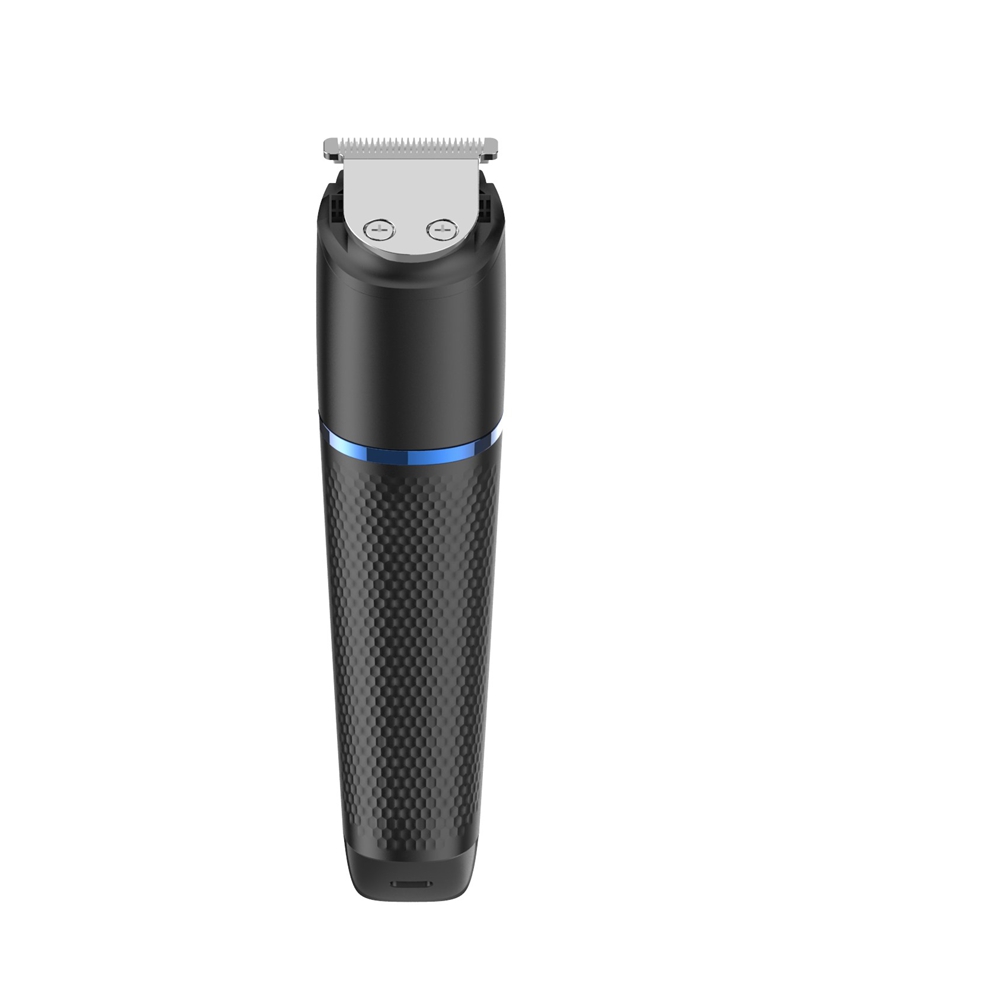
A separate official T-head-style gallery view. Confirm which offered powered unit the travel-lock documentation covers; no control behaviour is inferred from this image.
Identify the powered unit behind the claim
The official ZC-D28-1 Electric Hair Clippers listing includes a travel-lock description and refers to holding a control for three seconds. Treat that as a catalogue statement to clarify with the supplier, rather than a function independently verified by the buyer. Ask the supplier to identify the offered unit and the applicable instruction revision before using that statement in an order specification.
The gallery includes different visible head and body configurations. Link the supplier evidence to an identified powered unit, rather than assuming every related view demonstrates the same controls. Keep the model reference, matched sample and relevant control photograph together. Where the supplier proposes a different visible configuration, ask it to explain whether the travel-lock instructions still apply to that specific offer.
Request the complete instruction reference
Ask for the manufacturer document that describes entering and leaving the locked state. Retain its name or reference and revision. A short advertising line does not necessarily describe the complete sequence, the starting condition or what the user should observe. The supplier should identify those points using the instructions applicable to the offered model.
Keep the documented sequence separate from assumptions made from the controls in a photograph. A button, a display symbol and an adjustment dial can represent different functions. Ask the supplier to connect each relevant instruction to the actual control on the identified unit. If the product uses a particular display indication for the lock state, request the corresponding legend or manufacturer explanation.
Buying field
Requested supplier response
Offered unit
Model, visible configuration and identified supplier sample used for the reply.
Instruction reference
Manufacturer document name or code, revision and applicability statement.
Starting condition
Supplier-defined condition required by the documented sequence.
Lock and unlock response
Supplier-stated sequence and expected observable indication for each state.
Evidence record
Identified supplier demonstration or other supporting record for the offered unit.
Order reference
Accepted function-document scope and the instruction version supplied with the order.
The official dial-equipped body reference helps identify the offered control configuration. Its display symbols are not an independently verified operating result.
Define what the evidence is intended to show
Ask the supplier to state the purpose and boundaries of its proposed demonstration. The record should identify the unit, the relevant controls and the indication that corresponds to the described state. Use the manufacturer-approved demonstration method and request the supporting information from the supplier. A buyer does not need to invent an additional operating sequence from a product image.
Separate the requested travel-lock evidence from general claims about safe storage or transport. A demonstration of one control function does not establish every condition in which a packed product may be carried. Request the supplier scope for the actual function being quoted and record any remaining questions against that scope. Keep unrelated electrical, packing or compliance requirements in their own documents.
Keep the sample and record traceable
Give the supplier a clear way to identify the sample used in its response. A sample reference, visible model marking or another agreed identifier should be shown with the evidence record. Where a photograph or video is supplied, retain the file reference and the supplier explanation of the sequence and observed state. The person reviewing it should be able to connect it to the offered configuration.
If the record is unclear, describe the missing information precisely. For example, ask which indication marks the locked state or which instruction step leaves that state. Do not label an unclear record as either a successful result or a failed product. Request the missing supplier explanation and keep the response with the original inquiry so that later reviewers see the same function definition.
The official kit and base reference is retained for product identity. Accessory placement does not define the travel-lock function.
Retain the agreed version with the purchase line
Before closing the inquiry, check that the quotation, sample reference and instruction document describe the same offered version. Ask whether the instruction reference will be included with the supplied product or represented in another agreed document. A later change to the body, controls or supplied instructions should remain visible in the purchasing record rather than being treated as an unchanged catalogue item.
For a repeat order, identify whether the accepted function record remains applicable. If the supplier offers a revision, request its updated model and instruction references and discuss the affected evidence. This keeps the travel-lock inquiry focused on a specific function and a specific offered unit, while leaving the final purchasing decision tied to the actual supplier documentation and sample record.
Buyer FAQ
Does the catalogue description prove that a sample travel lock has been tested?
It identifies the supplier claim to clarify. Request the applicable instructions and supporting record for the identified offered unit.
What should accompany a locking or unlocking sequence?
Keep the manufacturer instruction reference, starting condition, actual control identification and expected indication together.
Can an accessory photograph establish the powered unit control behaviour?
Match the evidence to the offered powered unit. A related head or accessory view alone does not define its control behaviour.
What should change when the supplier offers a new control version?
Request the revised model and instruction references and identify which part of the earlier function record remains applicable.
Identify the inquiry using the ZC-D28-1 product reference, review the official appliance catalogue and request the manufacturer function record.
Match the claim to the exact offered powered unit.
Keep instructions, indicated states and supplier evidence linked.
Retain the agreed model and document revision with the purchase line.
wholesale hair clipperB2B supplier sample record